
Discrete vs integrated graphics
Discrete and integrated graphics refer to two different types of graphics processing units (GPUs).
Integrated graphics cards are built into the computer’s central processing unit (CPU) or included on the same chip as the CPU. They are a part of the motherboard and share system resources, such as RAM, with the CPU.
They are generally less powerful than discrete graphics cards and are designed for basic tasks such as web browsing, office applications, and video playback. In other words, they are not suitable for demanding graphics tasks like gaming, video editing, or 3D rendering due to their limited processing power.
Because they are relatively cheap and energy-efficient they are often found in notebooks and budget desktop computers.
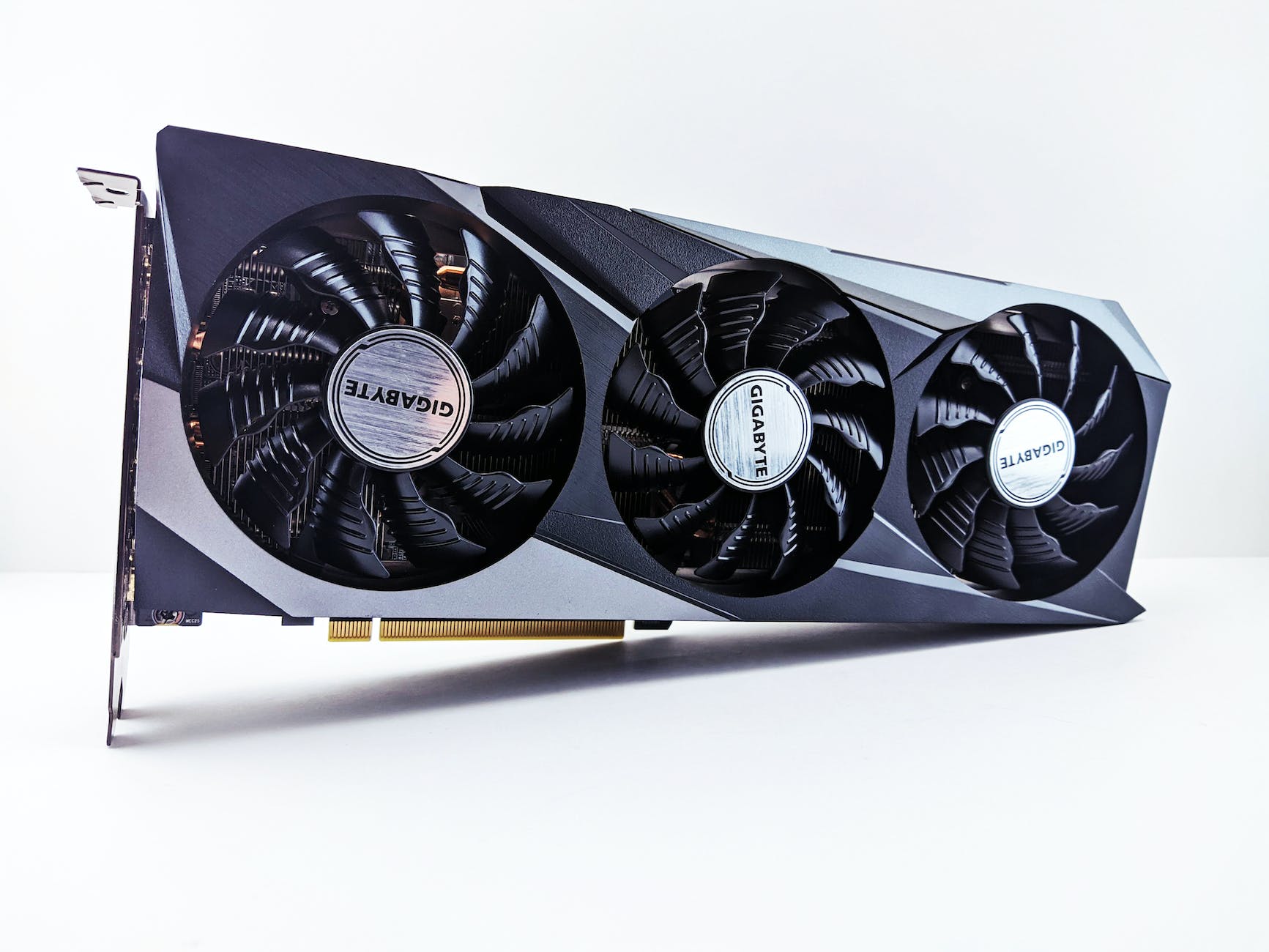
Discrete graphics cards, also known as dedicated graphics cards, are separate GPUs that are not integrated into the CPU or motherboard. They are installed as a separate unit in a PCIe slot on the motherboard.
They are much more powerful than integrated graphics cards, with their dedicated video memory (VRAM) and specialized processing units (cores). They are designed for tasks that require high graphical performance.
Discrete graphics cards are essential for demanding applications such as gaming, professional 3D modelling and rendering, video editing, and other graphics-intensive tasks.
Of course increased performance comes with a steeper price tag, but if you plan to play video games on your computer then you most definitely need discrete graphics.
 Gaming PC Advice