
BEST MICROPHONES FOR GAMING/STREAMING
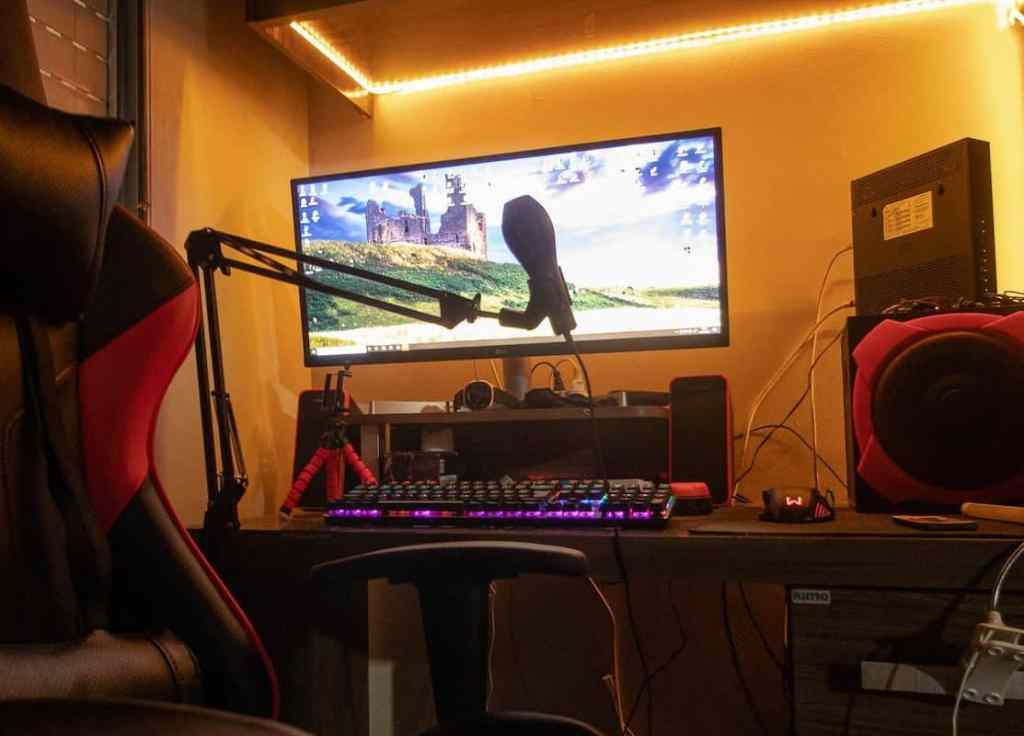
Here are some important factors to consider when picking a microphone (mic) for online gaming with your friends or for streaming content:
- Microphone Type: There are two main types of microphones available for gaming and streaming, condenser and dynamic microphones.
- Condenser microphones: These are more sensitive and offer better audio quality. They are excellent for capturing clear, detailed sound but might pick up more background noise.
- Dynamic microphones: These are less sensitive, making them ideal for noisy environments and situations where background noise needs to be minimized.
- Connection Type: there are two main types of connections, USB and XLR (eXternal Live audio Return).
- USB microphones are straightforward to use and plug directly into your computer.
- XLR microphones typically provide higher audio quality compared to USB microphones, but require an audio interface or a mixer to connect to a computer. XLR mics also offer more flexibility and potential for future upgrades.
- Mounting: Microphones can come mounted on a simple desk stand or on a boom arm. While many mics on the market come with a simple desk stand, they can often be mounted on a boom arm bought separately. A boom arm provides several advantages:
- It allows you to position the microphone precisely where you need it. You can easily adjust the height, angle, and distance from your mouth, ensuring optimal audio capture.
- It provides a stable and isolated platform for the microphone, reducing the impact of desk vibrations.
- It eliminates the need to place the microphone on your desk, freeing up space.
- Directionality: Consider the microphone’s pickup pattern based on your recording environment. The four main types are:
- Cardioid: Picks up sound primarily from the front but not from the sides and rear. This pattern is the best for isolating your voice and minimizing background noise, which makes it ideal for gaming and streaming.
- Bidirectional: Picks up sound from the front and rear but not from the sides. This pattern is ideal for recording interviews with two people sharing one microphone (e.g. podcasts).
- Stereo: it picks up sound from all directions except from behind. It’s good for recording vocals or instruments.
- Omnidirectional (Omni): Picks up sound from all directions equally. It’s useful if you have multiple people talking around the microphone or if you want to capture more ambient sounds.
- Additional features: Check if the microphone comes with essential features like a pop filter to reduce “plosives” (pops caused by certain consonants), an anti-vibration shock mount, and gain control to adjust the microphone’s output based on the volume of the incoming audio signal.
When it comes to audio recordings, two important terms to understand are bit depth and sample rate. Bit depth refers to the number of bits used to represent the amplitude of an audio signal (the height of the sound wave). Higher bit depths capture more subtle details and quieter sounds with less noise, and also prevent sound distortion. This means that 24-bit audio recording is better than 16-bit audio recording, but also creates much larger audio files.
Sample rate, measured in Hertz (Hz), refers to the number of samples taken per second to represent the continuous shape of the sound wave in a digital format. It defines the frequency at which the audio is captured. Higher sample rates allow for a more accurate representation of sounds, but they also result in larger file sizes.
If you plan to do some streaming, keep in mind that streaming platforms and services have specific audio requirements to ensure compatibility and efficient streaming.
For most streaming platforms the standard and widely accepted settings are 16-bit bit depth and 44.1 kHz or 48 kHz sample rate. Going higher than 16-bit for streaming might not significantly improve the listening experience but it would increase the file size, potentially leading to longer buffering times and higher bandwidth usage. Make sure to verify the specific requirements of the streaming platform you plan to use, as they may have specific recommendations or restrictions.
Below you can find what we think are the best microphones for gaming and streaming, ordered by increasing price (prices are in US$ and may vary depending on current promotions and availability). Please make sure that you also check our regularly updated News & Deals section for limited-time offers.
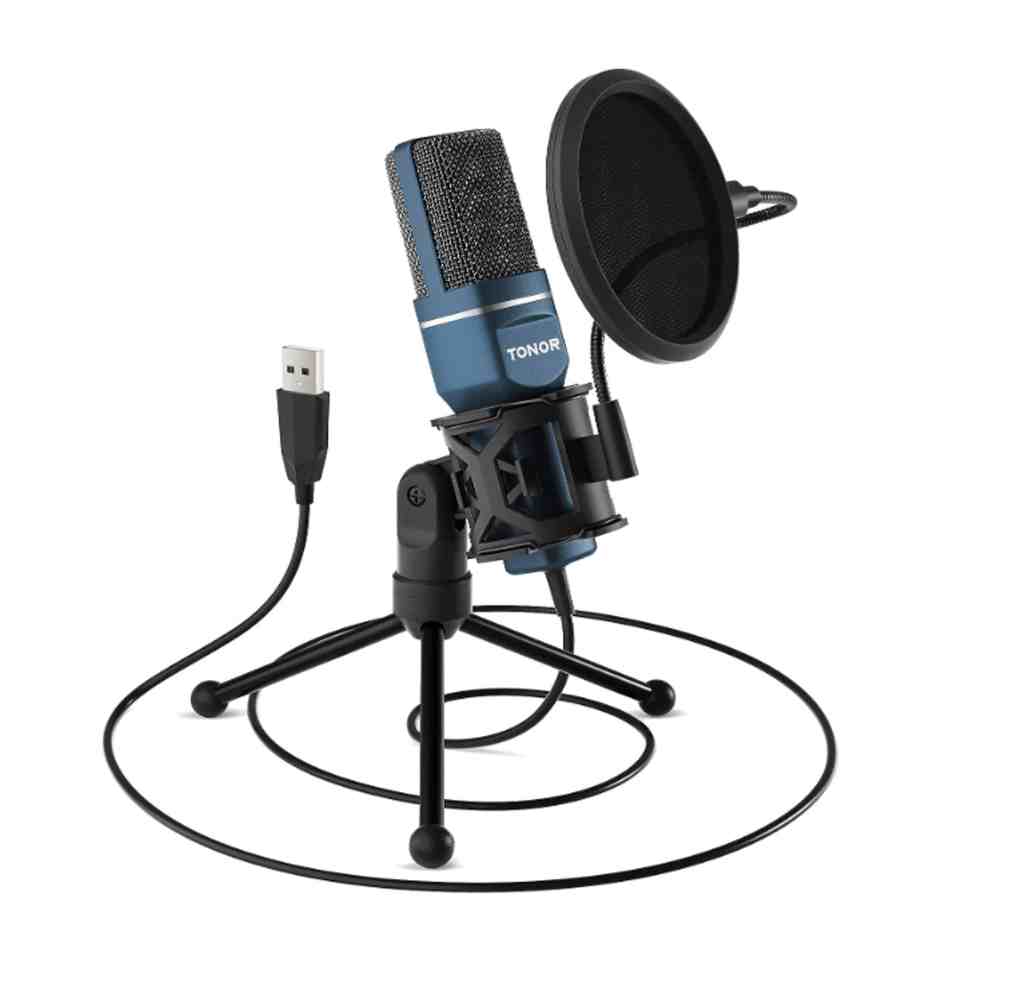
TONOR TC-777
($46.99 on Amazon.com)
- Type: Condenser
- Connection: USB
- Mount: Desk stand
- Directionality: Cardioid
- Bit depth: 16-bit
- Sample rate: 44.1 kHz
- Misc: pop filter, shock mount, tripod stand, foam windscreen
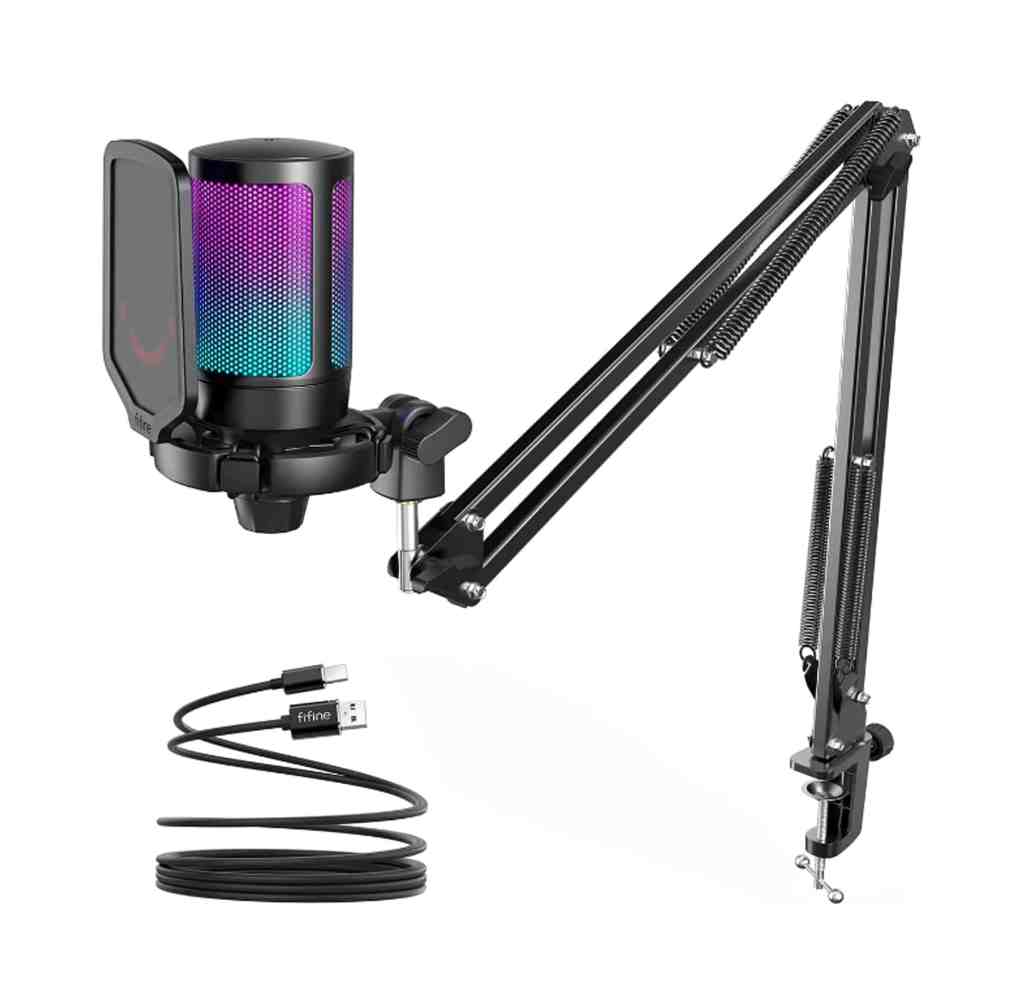
FIFINE A6T
($57.99 on Amazon.com)
- Type: Condenser
- Connection: USB
- Mount: Boom arm
- Directionality: Cardioid
- Bit depth: 16-bit
- Sample rate: 44.1 kHz
- Misc: pop filter, shock mount, gain control, tap-to-mute sensor, two-tone automatic gradient RGB lighting
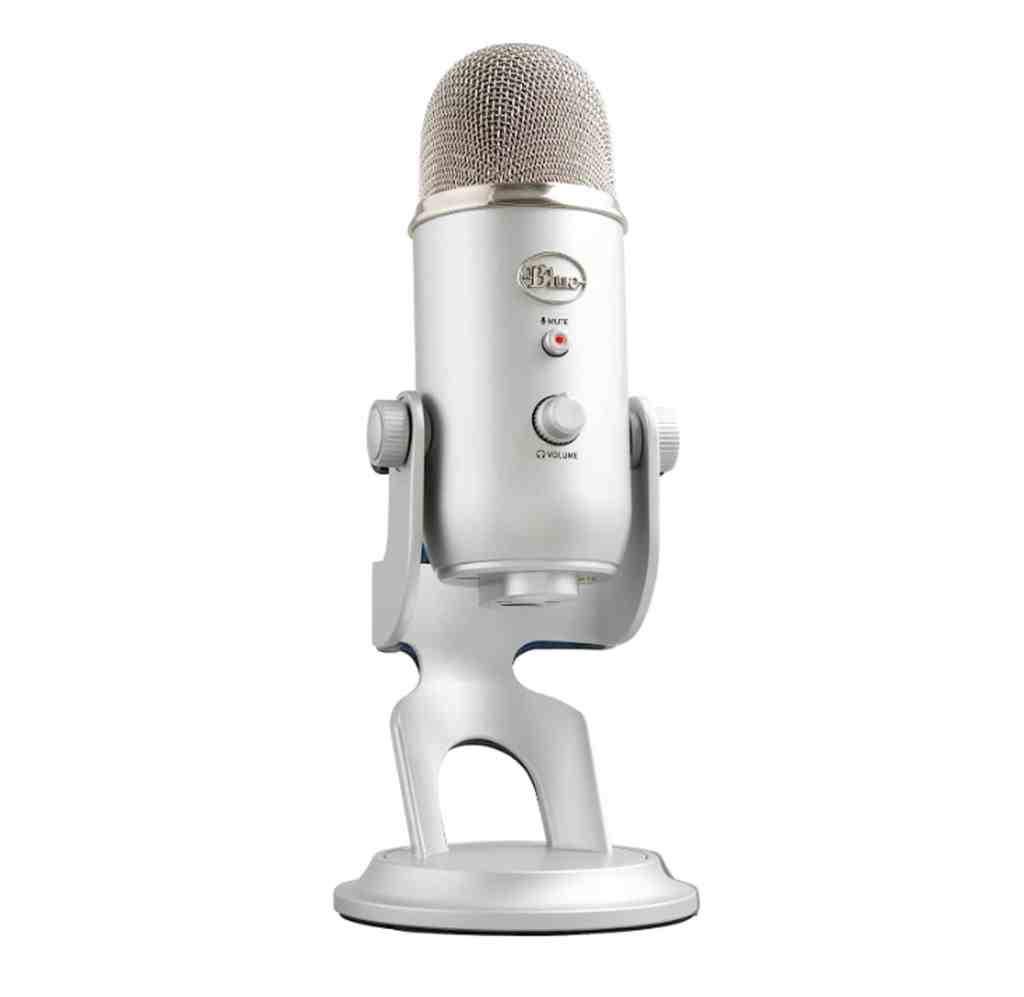
Blue Yeti
($129.99 on Amazon.com)
- Type: Condenser
- Connection: USB
- Mount: Desk stand
- Directionality: Cardioid/Omni/Stereo/Bidirectional
- Bit depth: 16-bit
- Sample rate: 48 kHz
- Misc: gain control, mute button, boom arm compatible, headphones output
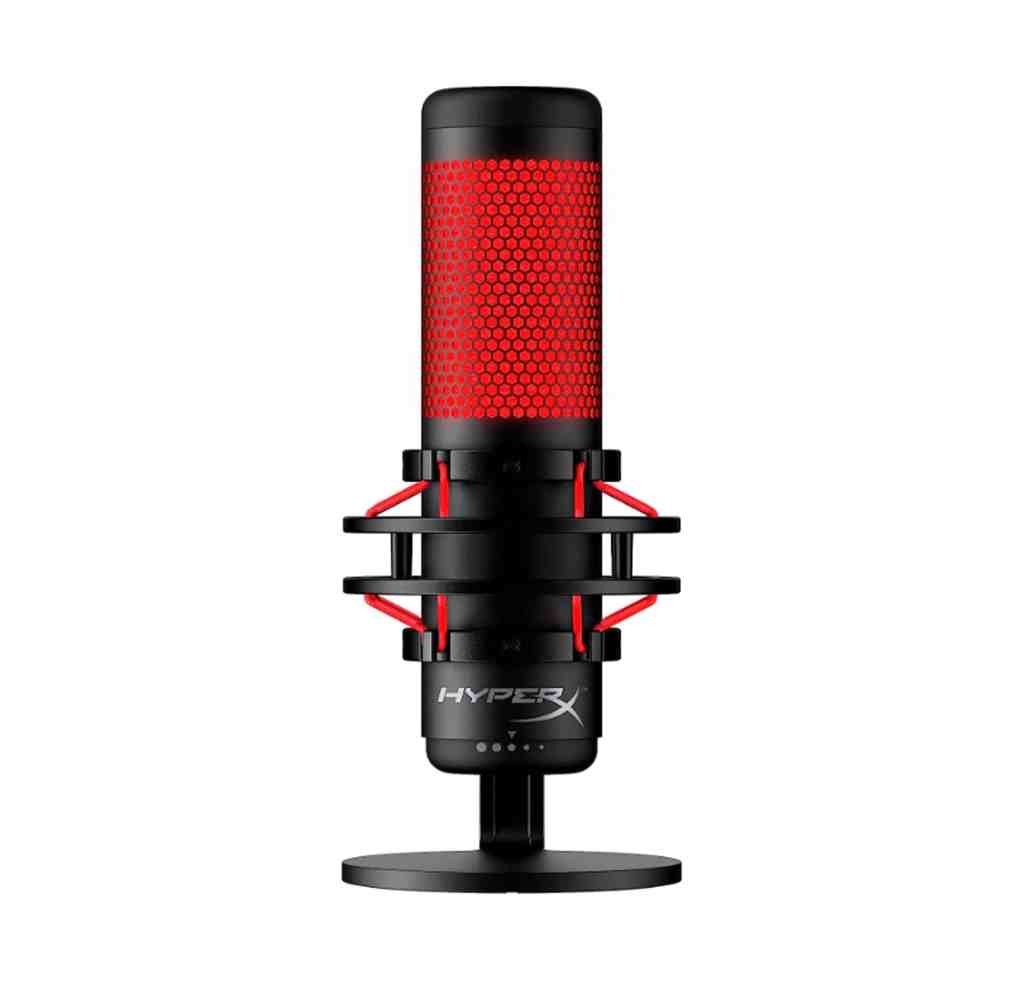
HyperX QuadCast
($139.99 on Amazon.com)
- Type: Condenser
- Connection: USB
- Mount: Desk stand
- Directionality: Cardioid/Omni/Stereo/Bidirectional
- Bit depth: 16-bit
- Sample rate: 96 kHz
- Misc: pop filter, shock mount, gain control, tap-to-mute sensor, boom arm compatible, headphones output
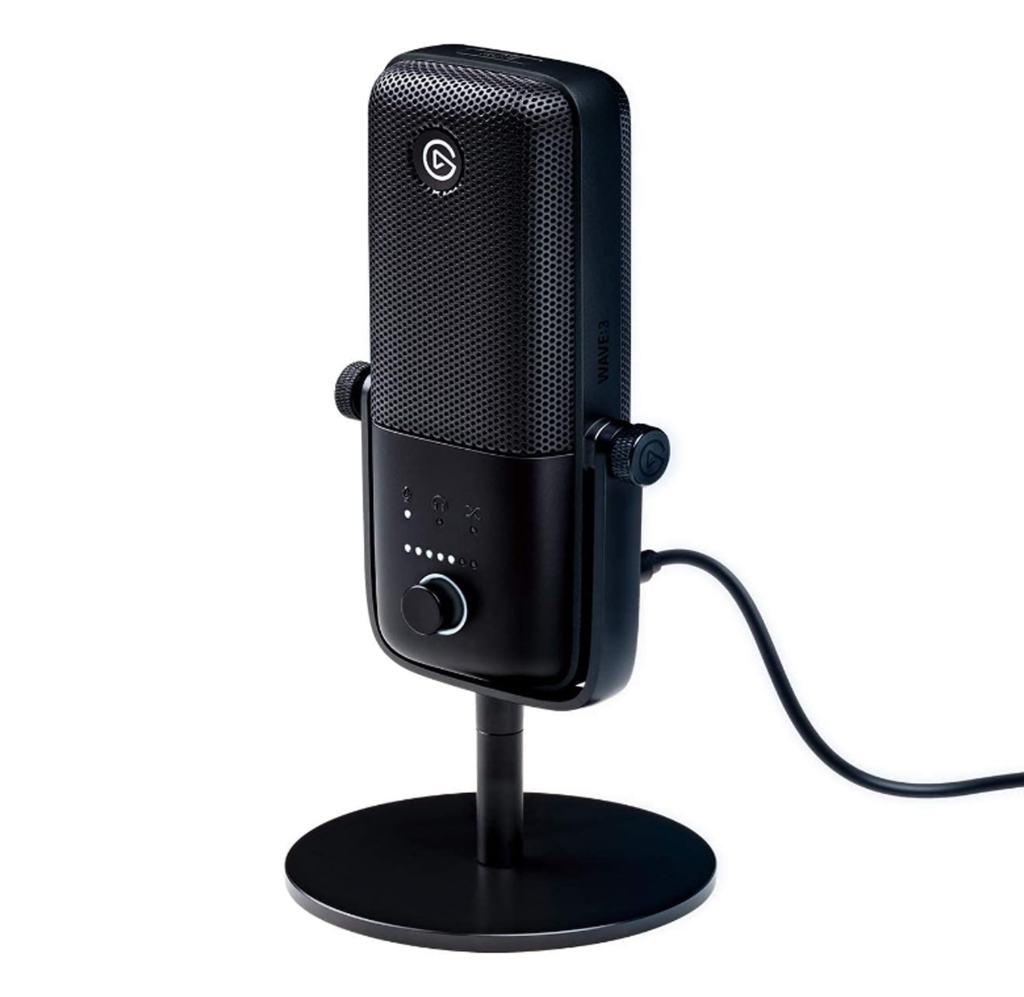
Elgato Wave:3
($149.99 on Amazon.com)
- Type: Condenser
- Connection: USB
- Mount: Desk stand
- Directionality: Cardioid
- Bit depth: 24-bit
- Sample rate: 96 kHz
- Misc: gain control, volume control, tap to mute, boom arm compatible, Wave Link App (digital mixer), multi-layered noise shield, headphone output
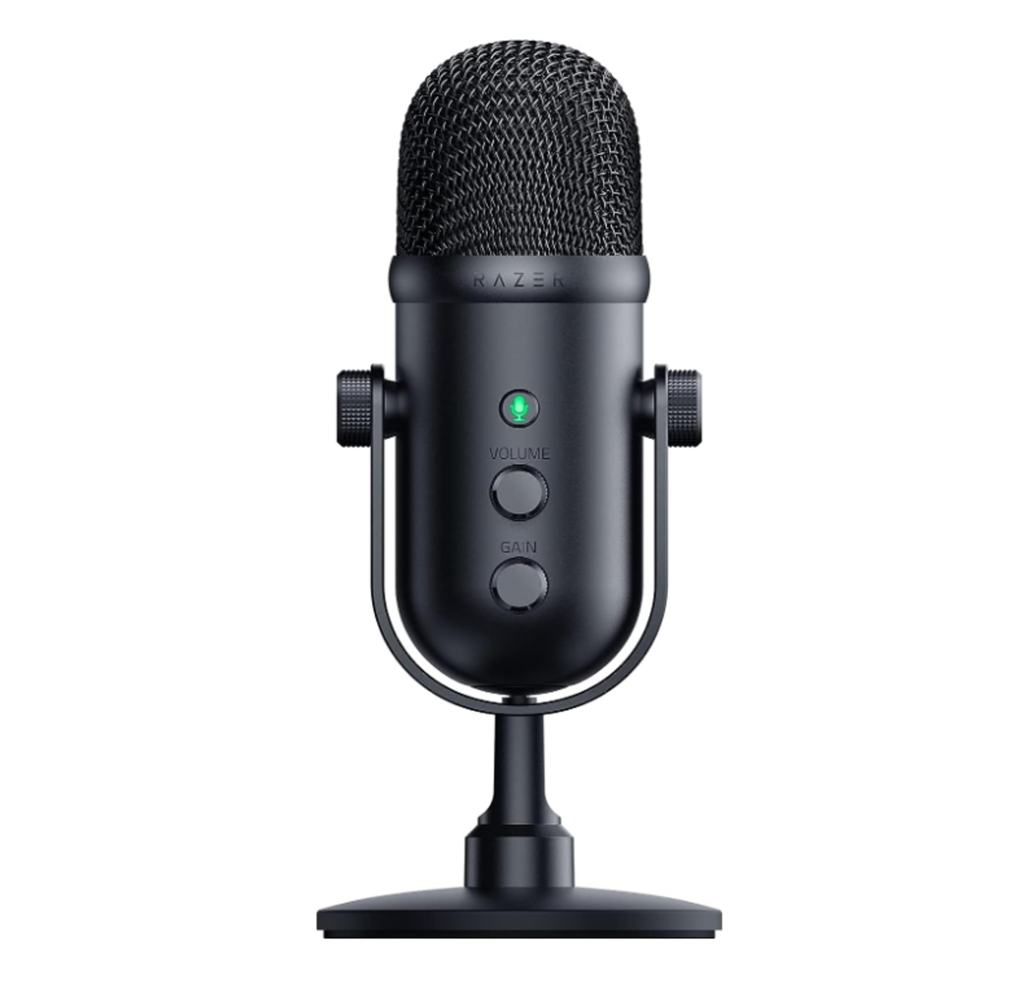
Razer Seiren V2 Pro
($149.99 on Amazon.com)
- Type: Dynamic
- Connection: USB
- Mount: Desk stand
- Directionality: Cardioid
- Bit depth: 24-bit
- Sample rate: up to 96 kHz
- Misc: gain control, volume control, mute button, high pass filter (filters out background noise), headphone output, built-in shock absorber, built-in windsock (prevents pops and hisses), analog gain limiter (prevents voice distortion), boom-arm compatible
 Gaming PC Advice